Australian Outback
The Australian Outback offers backpackers a truly unforgettable experience, with vast open landscapes, red desert plains, ancient rock formations, and a deep connection to Aboriginal culture. Travelling through the Outback is about adventure, isolation, and seeing a side of Australia that feels wild and untouched. However, safety is extremely important, as distances are huge, conditions are harsh, and help can be far away. Proper planning, carrying enough water and supplies, understanding the weather, and respecting local advice are essential to ensure your Outback journey is not only a memorable one, but a safe one
🏜️ Living Arrangements While Trekking Through the Australian Outback
Travelling through the Australian Outback is a unique and challenging experience. Unlike cities and coastal towns, accommodation options are limited and conditions can be extreme. Backpackers need to be flexible, well prepared, and always put safety first when choosing where and how to stay.
⛺ Camping in the Outback
Camping is one of the most common ways to stay in the Outback, especially for travellers on extended road trips or treks. Options range from basic campgrounds to remote bush camping.
Examples
Designated campgrounds in national parks such as Kings Canyon or Flinders Ranges
Roadside rest areas that allow overnight stays
Remote bush camping in approved areas with permits
When camping, it is essential to carry enough water, food, and fuel, and to let someone know your travel plans. Weather conditions can change quickly, and nights can be very cold.
🏠 Remote Stations and Homesteads
Some backpackers stay on cattle stations or remote properties, often through short term work or organised stays. This offers a rare insight into Outback life.
Examples
Working stays on cattle stations in Queensland or the Northern Territory
Farm stay style accommodation on remote properties
Volunteer work arrangements that include accommodation and meals
These stays are usually basic but safe and well supported, making them a good option for travellers wanting structure and local guidance.
🏨 Roadhouses and Remote Lodges
Roadhouses and Outback lodges provide simple but reliable accommodation along major routes. They are often the only option for hundreds of kilometres.
Examples
Roadhouses along the Stuart Highway
Outback lodges near Uluru or Alice Springs
Small motels attached to fuel stops
These places usually offer beds, meals, fuel, and local advice, making them important rest points during long journeys.
🚐 Vehicle Based Living
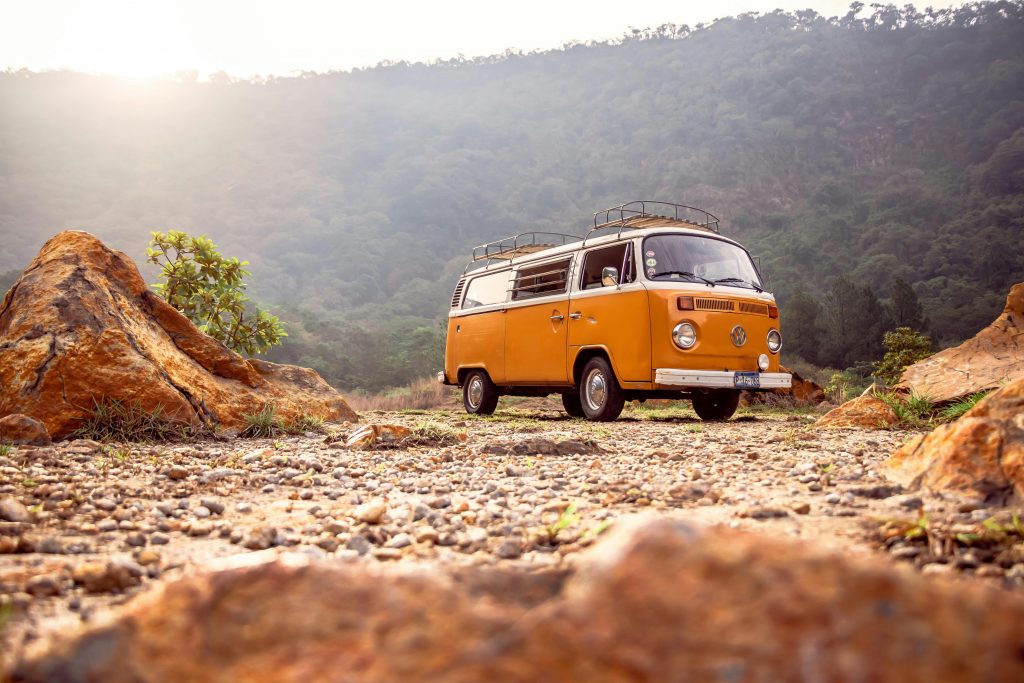
Many backpackers travel the Outback in campervans or four wheel drive vehicles, sleeping inside their vehicle or setting up camp nearby.
Examples
Campervans with built in beds and storage
Four wheel drive vehicles with rooftop tents
Sleeping setups inside vans at approved rest areas
Vehicle based living offers flexibility but requires careful planning, regular vehicle checks, and extra fuel and water supplies.
🧠 Safety Tips for Living in the Outback
Always carry more water than you think you need
Avoid travelling alone in very remote areas
Check road and weather conditions before moving on
Carry offline maps and emergency communication if possible
Respect local advice and Indigenous land access rules
🌄 Tourist Attractions to Visit in the Australian Outback
The Australian Outback is home to some of the most powerful landscapes and cultural sites in the country. Vast deserts, ancient rock formations, and deep Aboriginal heritage make this region a must visit for adventurous travellers. While the beauty is unforgettable, careful planning and respect for the environment are essential.
🪨 Iconic Natural Landmarks
The Outback is famous for its dramatic natural scenery and unique geological formations:
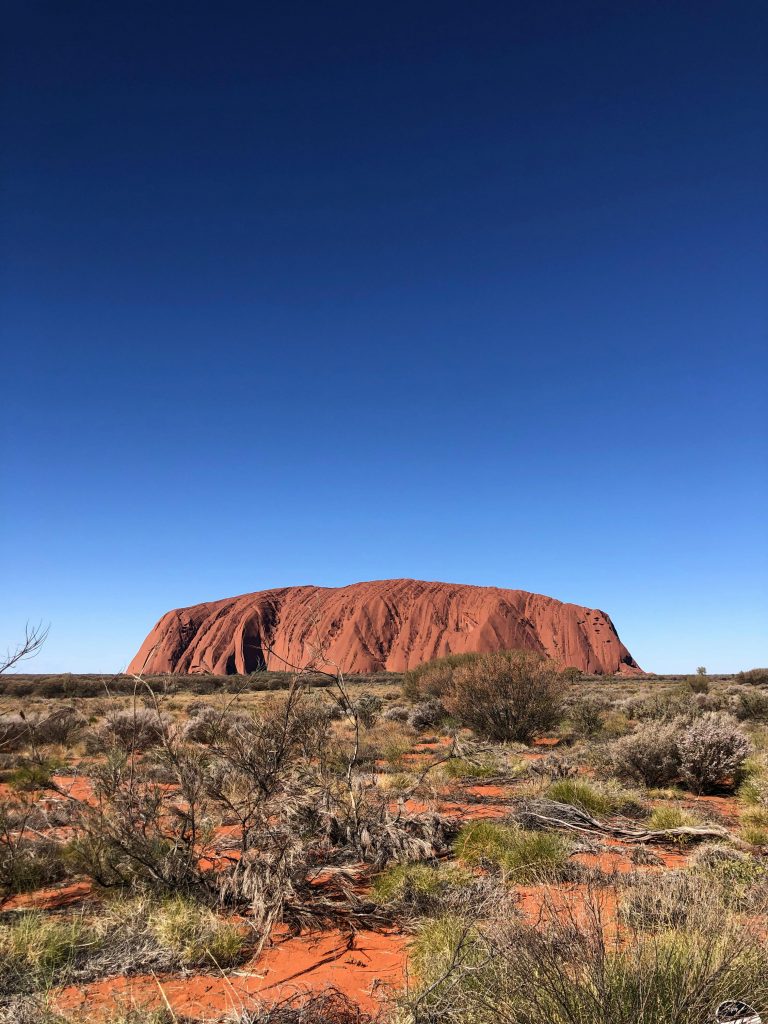
Uluru – A sacred Aboriginal site and one of Australia’s most recognisable landmarks
Kata Tjuta – A collection of massive rock domes located near Uluru
Kings Canyon – Known for its towering sandstone walls and scenic rim walk
Simpson Desert – Vast red dunes offering a true desert experience
MacDonnell Ranges – Rugged mountain ranges with gorges and waterholes
🌿 National Parks and Scenic Areas
Many of the Outback’s best attractions are protected within national parks:
West MacDonnell National Park – Home to places like Ormiston Gorge and Glen Helen
Flinders Ranges National Park – Dramatic landscapes and rich Aboriginal history
Karijini National Park – Spectacular gorges and natural swimming holes
Finke Gorge National Park – Remote palm filled gorges and walking tracks
🏛️ Cultural and Historic Attractions
The Outback offers deep cultural experiences and insight into Australia’s past:
Alice Springs Desert Park – Learn about desert ecosystems and Aboriginal culture
Royal Flying Doctor Service Museum – Discover how medical care reaches remote areas
Coober Pedy – Famous underground town built to escape the heat
Birdsville – Iconic remote town with rich Outback history
🧠 Tips for Visiting Outback Attractions
Distances between attractions are extremely large so plan travel carefully
Carry plenty of water, food, and fuel at all times
Follow park rules and respect sacred Aboriginal sites
Check weather and road conditions before heading out
Never underestimate the environment as help can be far away

🚨 Safety in the Australian Outback
The Australian Outback is one of the most beautiful and remote places in the world, but it can also be extremely dangerous if you are unprepared. Vast distances, extreme heat, limited mobile coverage, and unpredictable weather mean that even small mistakes can quickly become serious situations. Taking safety seriously is essential for every backpacker travelling through the Outback.
🌡️ Understanding the Risks
Extreme heat can lead to dehydration and heat exhaustion
Distances between towns and fuel stops can be hundreds of kilometres
Limited phone reception means help may not be immediately available
Wildlife and livestock can create hazards on roads and campsites
Weather conditions can change rapidly, especially during storms
✅ Outback Safety Checklist
Before heading into the Outback, make sure you have the following:
Plenty of drinking water for every person, plus extra for emergencies
Sufficient food supplies in case of delays
Reliable vehicle in good condition with spare tyre and tools
Full fuel tank and spare fuel where required
Offline maps or paper maps and a compass
Emergency communication device such as a satellite phone or personal locator beacon
First aid kit with basic medical supplies
Sun protection including hat, sunscreen, and long sleeve clothing
Appropriate clothing for both hot days and cold nights
Knowledge of your planned route and nearest help points
🧭 Day to Day Survival Guide in the Outback
Start Each Day Prepared
Check weather forecasts, road conditions, and fuel distances before moving on. Drink water regularly throughout the day even if you do not feel thirsty.
Travel Smart
Avoid travelling at night due to wildlife on roads. Stick to main routes unless fully equipped for remote travel. Never leave your vehicle if it breaks down, as it provides shelter and visibility.
Manage Water and Food
Ration supplies carefully and keep emergency water untouched unless absolutely necessary. Eat regular meals to maintain energy levels.
Handle Heat Safely
Rest during the hottest part of the day when possible. Seek shade and wear light coloured clothing to reduce heat stress.
Emergency Situations
If something goes wrong, stay calm and stay put. Activate emergency communication devices only when needed. Conserve energy and supplies while waiting for help.
🧠 Essential Safety Advice
Always tell someone your travel plans and expected arrival times
Respect local advice, road closures, and Aboriginal land rules
Do not rely on mobile phones alone for navigation or emergencies
Never underestimate distances or weather conditions
Preparation and caution can save your life